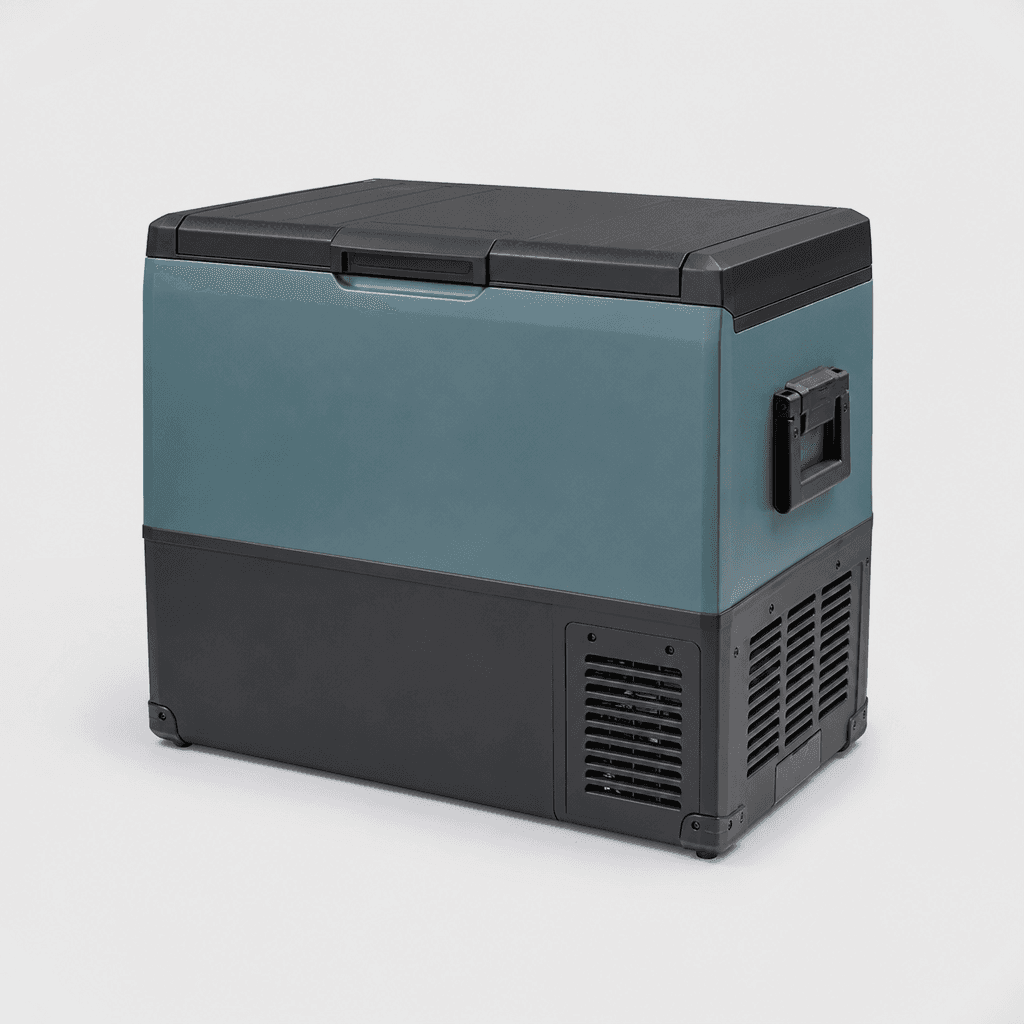
Runs all day
What it is
Runs all day or cycles on its own (like a fridge).
Typical devices
- Fridges
- Wi‑Fi / Starlink
- CO detectors
4 min read

On this page
Before choosing a battery, solar panel, or inverter for your van or RV, you need one number: how much energy you use in a typical day, expressed as watt-hours per day (Wh/day). Every later decision—battery size, solar, inverter—scales from that number.
Start with the calculator
It walks you through each device, picks the right formulas, and adds up your total Wh/day—so you don't have to work it out on paper.
Read the steps below only if you want to understand how the numbers fit together.
At a high level, the work has three steps: list your loads, calculate the daily energy per device, and add up the total daily energy. The sections below walk through the same process in detail—for when you want to understand how it fits together.
To estimate your daily energy use, start by listing every electrical device you run from the van’s system. Write each device down on paper or in a note on your phone.
Most people’s lists draw from the same pool of devices. Use the checklist below for ideas, then add anything that’s missing for your individual needs (a second fridge, a PlayStation, an electric toothbrush, and so on).
If something takes power from your van’s electrical system, even only once in a while, put it on the list. It is better to include a device you use rarely than to forget it and underestimate your daily total later.
Go through your list one device at a time. For each device, you will do four things: decide how you use it, find the power draw (watts or energy per charge), estimate how much you use it in a day, then work out the daily energy with the matching formula. The sections below walk you through those steps in order.
To work out how much energy a device uses each day, start by assigning the device a usage type. The usage type tells us what information is needed to estimate the device's daily energy use.
Three usage types — pick the one that matches how you use the device
What it is
Runs all day or cycles on its own (like a fridge).
Typical devices

What it is
You switch it on when needed and off when finished.
Typical devices
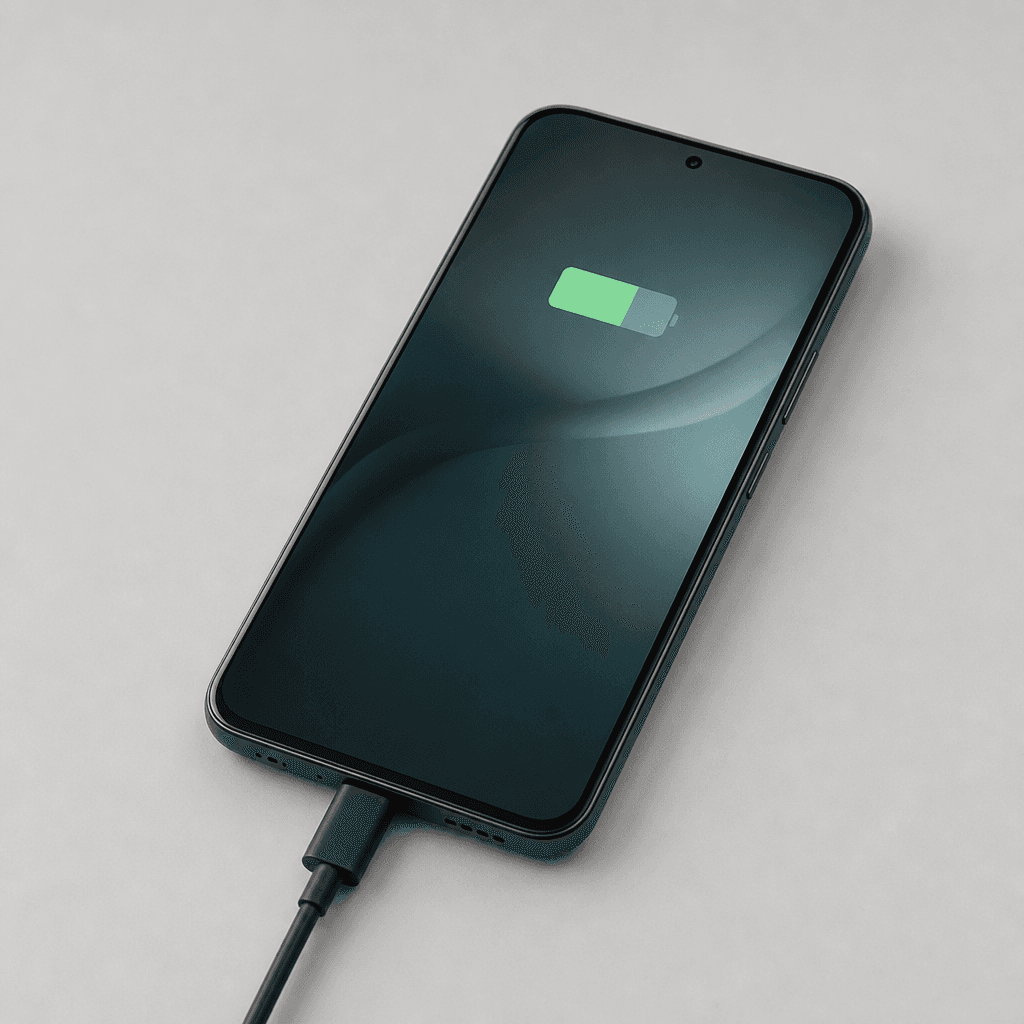
What it is
Has its own battery; you recharge it between uses.
Typical devices
The same physical device can land in different groups depending on how you use it—a Starlink might be “always on” or “switch on/off” depending on how you use it.
Next, you need the device's power draw (watts) or energy per charge (Wh or mAh), depending on usage type. The number you need varies per usage type:
Number to look for per usage type:
W
Power draw in watts.The rate at which the device consumes power, in watts.
W
Power draw in watts.The rate at which the device consumes power, in watts.
Wh or mAh
Energy per full charge.The energy stored in the battery from one full charge — in watt-hours (Wh) or milliamp-hours (mAh).
Where to find the number
Search online
Ask an AI
ChatGPT, Claude…
For plug-in-to-charge devices, the battery size may be listed as Wh or mAh — different brands use different labels, and either works. Use whichever number you can find; the formula section below accepts both.
If the sticker or manual does not help, try a web search or ask an AI assistant (ChatGPT, Claude or whichever you prefer) using your exact device name and model — see the examples in the panel above.
To work out how much energy each device uses per day, estimate how much you normally use it during a typical day in the van. Again, the number you need will depend on the type of device:
What to estimate per usage type:
24 h
Usually 24 h (less for cycling loads).24 hours per day — except cycling loads like fridges.
h or mins
Time on per day.Hours or minutes on per day.
n
Full charges per day, week, or month.Number of full charges per day, week, or month.
A rough estimate is fine. Think of a realistic normal day, not a worst-case trip where everything runs at once.
Use the matching formula for each device's usage type. Switch-on/off and plug-in-to-charge devices have two options — pick the one that matches the units you used above.
Formula per usage type:
watts × hours per day
*Cycling loads (e.g. fridges): use average hours on instead of 24 if you know them.
If you used hours
watts × hours on per day
If you used minutes
watts × minutes on per day
If spec lists Wh
charges per day × Wh per charge
If spec lists mAh
charges × amp-hours × van voltage
*Van voltage is assumed to be 12V here.
Each result is that device's watt-hours per day (Wh/day).
By now you should have one Wh/day number for each device—the daily energy that device pulls from your van's system.
Add those numbers together (fridge + lights + phone charging, and everything else on your list). The sum is your van's total Wh/day: how much energy you need from your batteries and charging on a typical day. You'll use that one total when you size your battery, solar, and charging setup.
Let the calculator do the heavy lifting
Same process—list your devices, enter a few numbers, get your total Wh/day. The planner handles the formulas and the add-up for you.
Your total Wh/day is step 1 — done. Next is battery size—how much energy you can store in your van. Use the battery sizing tool for help. A dedicated guide for battery sizing is coming soon, if you want more context. For the full build order from daily energy needs through wiring, see the 7-step planning guide.
These guides and calculators are designed to help with planning and estimation. Always verify your final system design, follow local regulations, and consult qualified professionals where appropriate.